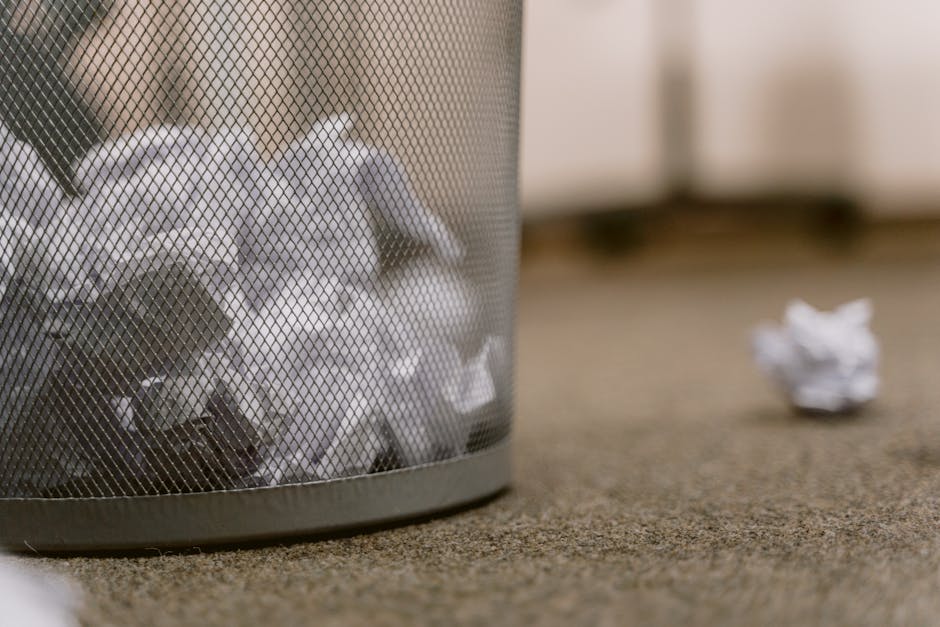
Finchley Road Office Rubbish Clearance for Small Businesses
Running a small business on or near Finchley Road means space is always at a premium. One spare corner becomes a stock room, then a dumping ground, then a headache. Old desks, broken chairs, archive boxes, packaging, cables, and the odd printer that has definitely seen better days can build up fast. Finchley Road office rubbish clearance for small businesses is simply the practical, efficient way to get that clutter out of the way without disrupting the working day.
For a small office, waste clearance is not just about tidiness. It affects how professional your premises feel, how safely people move around, how quickly you can reorganise, and whether you stay on top of day-to-day compliance. If you are planning a refit, moving to a smaller unit, or just trying to reclaim usable space, this guide walks through what to expect, how it works, and how to make the process easier from start to finish.
And yes, it can be done without turning your office into a building site. That part matters more than people think.
Table of Contents
- Why Finchley Road Office Rubbish Clearance for Small Businesses Matters
- How Finchley Road Office Rubbish Clearance for Small Businesses Works
- Key Benefits and Practical Advantages
- Who This Is For and When It Makes Sense
- Step-by-Step Guidance
- Expert Tips for Better Results
- Common Mistakes to Avoid
- Tools, Resources and Recommendations
- Law, Compliance, Standards, or Best Practice
- Options, Methods, or Comparison Table
- Case Study or Real-World Example
- Practical Checklist
- Conclusion
- Frequently Asked Questions
Why Finchley Road Office Rubbish Clearance for Small Businesses Matters
Small businesses rarely have the luxury of spare storage. A few filing cabinets, a couple of broken monitors, some surplus furniture, and suddenly the office feels cramped. On Finchley Road, where many businesses work in compact commercial units or shared premises, that clutter can affect almost every part of the working environment.
To be fair, rubbish is rarely just rubbish in an office. It is often a mix of items with different disposal needs: WEEE items such as computers and screens, cardboard and packaging, damaged office furniture, confidential paper, and general waste. Letting all of that pile up can create practical problems very quickly. You start losing floor space, staff move awkwardly around stacked items, and visitors notice the mess before they notice your service.
There is also the reputation angle. A tidy office communicates care, order, and professionalism. A cluttered one can do the opposite. If you meet clients on site, or even just receive deliveries regularly, clear space matters. It can also help with safety. Narrow walkways, loose cables, and furniture left in the wrong place are all avoidable risks.
For businesses in nearby areas too, the same need comes up again and again. A firm in Camden may face similar space constraints, while a studio in West Hampstead might need a fast clear-out before a new tenancy starts. Local context matters because office layouts, parking access, and building rules often shape how clearance is carried out.
In short: good office rubbish clearance is not a luxury. It is part of keeping a small business practical, presentable, and ready to work.
How Finchley Road Office Rubbish Clearance for Small Businesses Works
The process is usually more straightforward than people expect. A good clearance service will work around your opening hours, confirm what needs removing, and organise the right vehicles and crew for the job. In a small office, that can mean anything from a single bulky item pickup to a full strip-out of unwanted furniture and waste.
Here is the usual flow:
- Initial enquiry - You describe the items, access, floor level, and any time restrictions.
- Assessment - The provider estimates the amount and type of waste, which helps them decide the correct approach.
- Arrival and loading - The team removes items carefully, usually with as little disruption as possible.
- Sorting - Reusable, recyclable, and general waste items are separated where practical.
- Removal and disposal - Waste is taken away for appropriate processing, recycling, or disposal.
If you are clearing out office chairs, meeting tables, or reception furniture, it helps to be specific. A service that handles furniture disposal or office clearance can usually manage larger items efficiently, while general mixed waste may be better suited to a broader rubbish removal or waste removal service.
There is a small but important detail here: office clearance is not the same as a one-size-fits-all bin collection. Offices generate mixed waste, and some of it should never be treated casually. Computers, screens, printers, and batteries need careful handling. Paper records may need secure destruction. Even a simple desk clear-out can involve more planning than it first appears.
A good provider will also be used to working in tighter London settings, where loading bays are limited and access can be awkward. That is especially useful if your business sits in a busy stretch near Finchley Road Station or in one of the surrounding side streets. Every minute saved matters when staff are still trying to answer emails and serve customers. Let's face it, nobody wants a clearance crew blocking the front door at 11 a.m.
Key Benefits and Practical Advantages
The most obvious benefit is more space. But once the clutter is gone, the advantages ripple outward in ways that are easy to overlook at first.
- Better use of floor space - The office feels larger, calmer, and easier to work in.
- Improved safety - Less clutter means fewer trip hazards and less obstruction.
- Quicker office reorganisations - If you are moving desks, setting up hot-desking, or creating a small storage area, the job is easier.
- Cleaner client impression - Visitors see a business that is organised and professional.
- Reduced stress - A clearer workspace genuinely makes day-to-day work feel lighter.
- More responsible disposal - Recyclable and specialist items can be handled properly instead of being dumped or mixed in with general waste.
There is also an operational benefit that people often miss. If your team is wasting time stepping around old items, waiting for storage to be sorted, or searching for usable surfaces, the clutter is costing time. Not always in a dramatic way, but enough to matter over weeks and months. A tidy office can quietly improve focus.
For businesses that generate mixed commercial waste, using a local service such as business waste collection can be a practical part of your routine rather than a one-off emergency fix. And if your premises are in a broader catchment area, North West London coverage can be helpful when you need flexible scheduling across different sites.
Practical takeaway: the best clearance jobs are the ones you barely notice happening, but you definitely notice the result the next morning.
Who This Is For and When It Makes Sense
This service is a strong fit for small businesses that do not have internal facilities teams, van access, or spare time to deal with bulky waste themselves. In real terms, that usually means offices with 2 to 25 staff, though the size is less important than the amount of clutter and the access challenges.
It makes sense if you are:
- moving office or downsizing
- replacing old furniture
- clearing out archive rooms or storage cupboards
- setting up a new workspace after a refit
- dealing with a backlog of packaging, cardboard, or old equipment
- trying to clear the office after a tenancy change
It also makes sense if your business has an awkward mix of items to remove. For example, a small legal practice may need old filing cabinets shifted, while a design studio might have damaged chairs, broken shelving, and a stack of obsolete monitors all in one room. A cafe office above a shop could need a fast rubbish clearance slot because storage is shared and the clock is always ticking.
Businesses near Finchley Road often sit in busy, mixed-use streets where access is not simple. If your work is based around nearby neighbourhoods such as Swiss Cottage, Belsize Park, or Hampstead, it helps to choose a service familiar with local parking, loading, and building access issues.
Truth be told, the right time to clear rubbish is usually before it becomes urgent. If you are already squeezing people past stacked boxes, it is probably time.
Step-by-Step Guidance
If you want the process to go smoothly, a little preparation goes a long way. Here is a simple approach that works well for small offices.
1. Walk the space and separate what is going
Do a quick sweep of the office, storage cupboard, reception area, and any back rooms. Group items by type: furniture, electronics, cardboard, paper, and general waste. This helps you avoid confusion later.
2. Flag anything sensitive or special
Some items need extra care. Confidential documents should not be left in open piles. Old computers, screens, or cables should be identified early. If there are items such as sofas or larger seating, a dedicated service like sofa removal may be more practical than trying to bundle them into a general load.
3. Check access
Measure doorways if needed, note stairs or lifts, and think about parking. In small offices, access is often the part that slows everything down. If the team has to carry a heavy desk down several floors, the plan changes a bit. Not a problem, just something to know in advance.
4. Decide on timing
If possible, book the clearance outside your busiest hours. Early morning can be ideal. So can late afternoon, after client meetings are over. For shared buildings, you may also need to work around concierge rules or landlord access windows.
5. Ask how the waste will be handled
You do not need to demand a lecture, but you should understand what happens to the items after collection. Reusable furniture, recyclable materials, and specialist waste should not all end up treated the same way.
6. Clear a path before the team arrives
This sounds obvious, but it saves time. Move small personal items, make sure corridors are usable, and label anything that is staying. A few minutes of preparation can prevent awkward guesswork. And it avoids the classic moment where someone says, "Oh, that chair was meant to stay," as it is halfway to the van.
7. Get confirmation of completion
Once the clearance is done, do a final walk-through. Check that agreed items were removed and that the space is ready for the next stage, whether that is cleaning, reconfiguration, or moving back in.
Expert Tips for Better Results
Small offices often get the best results when they think in stages rather than one giant clear-out. Here are a few approaches that genuinely help.
- Sort before the crew arrives - Even rough sorting makes the job faster and cleaner.
- Label keep, remove, and unsure - This simple system cuts mistakes.
- Clear in phases - Start with bulky furniture, then move on to paper and smaller items.
- Plan for business continuity - Keep desks, phones, and power access working where possible.
- Use the clearance as a reset - Once clutter is gone, rethink storage so the mess does not return.
A surprisingly useful habit is to photograph problem areas before and after. It helps you see what has improved, but it also creates a simple record if multiple people share the office. Handy, really.
Another tip: if you have a few different waste types, ask for a service that can manage mixed loads rather than splitting every item into separate jobs. That often saves time and reduces disruption. For example, some businesses pair office clearance with waste collection or broader waste disposal support so they can deal with a full reset in one visit.
Finally, do not underestimate the value of being ready early. The most efficient collections often happen when the office has already made decisions. The team arrives, loads quickly, and leaves without drama. That is the ideal. Boring in the best possible way.
Common Mistakes to Avoid
Most office clearance problems are preventable. The mistakes below come up again and again, and they are usually easy to dodge.
- Leaving everything until the last minute - This leads to rushed decisions and higher stress.
- Assuming all waste is the same - It is not. Furniture, electricals, paper, and general rubbish need different handling.
- Forgetting access issues - Stairs, lifts, narrow corridors, and parking restrictions can all slow things down.
- Not checking what stays - Mixed "keep" and "remove" piles are how things go wrong.
- Ignoring confidential material - Sensitive paperwork should be separated early.
- Choosing the cheapest option without checking scope - A low headline figure is not much help if it does not include what you actually need.
One of the more common office mistakes is trying to do everything in a single panic-clearance on a Friday afternoon. It sounds efficient until the team is tired, the lift is busy, and nobody remembers which cabinet had the spare router. Better to plan. Always better.
Tools, Resources and Recommendations
You do not need much to prepare properly, but a few simple tools make the process smoother.
- Labels or sticky notes for keep/remove/unsure sorting
- Marker pens for marking boxes and furniture
- Phone camera to document items or room layout
- Measuring tape for doors, lifts, and narrow access points
- Simple inventory list if you are clearing a larger number of items
On the service side, it can help to compare related solutions depending on what your office needs. For example, waste clearance is useful for mixed loads, while rubbish collection can suit smaller, more routine jobs. If you are mostly dealing with desks, cabinets, or reception seating, a focused office clearance is often the neatest fit.
If your business is part of a larger move or refurb, it is also worth thinking beyond the office itself. A local provider that also handles related clearances such as builders waste can be useful if contractors leave behind packaging, plasterboard offcuts, or other renovation debris. That crossover is common, especially in small refurb projects where everyone is working on top of everyone else.
Law, Compliance, Standards, or Best Practice
Office rubbish clearance in the UK should be handled responsibly, especially when it includes electrical items, confidential paperwork, or waste that may be considered business waste. You do not need to become a compliance specialist, but you should make sure the service you use follows sensible, lawful practices.
Best practice typically includes:
- disposing of waste through legitimate facilities
- separating recyclable items where practical
- handling electricals and batteries carefully
- keeping confidential waste secure until it is destroyed or processed appropriately
- using appropriate documentation where required for business waste transfers
If you are handing over office items as part of your business operations, ask basic questions about how they are handled after collection. A reputable provider should be able to explain the process clearly without making it sound more complicated than it is.
This is especially relevant for small businesses because office waste is often a mixed bag. One corner of the room may contain surplus stationery, another has damaged furniture, and another has old IT equipment. That mix can create confusion if nobody has separated it beforehand. A little care here goes a long way.
Also, if your premises are in shared buildings or managed commercial units, your landlord or managing agent may have their own expectations about loading, access times, and waste storage. Those rules are not always written in a giant obvious sign. Sometimes they are tucked away in building paperwork, which is annoying, but there it is.
Options, Methods, or Comparison Table
Small businesses usually choose between a few realistic approaches. The best one depends on volume, access, urgency, and the type of waste involved.
| Method | Best for | Pros | Limitations |
|---|---|---|---|
| Self-clearance | Very small amounts of waste | Can feel cheaper at first; flexible timing | Time-consuming, difficult for bulky items, disposal responsibility remains with you |
| Ad hoc rubbish removal | Occasional mixed waste or a one-off tidy-up | Simple, quick, suited to busy offices | Not ideal for large furniture or complex clear-outs |
| Full office clearance | Moves, refits, downsizing, larger clear-outs | Covers bulky items, saves staff time, better for planning | Needs some preparation and clear communication |
| Ongoing business waste service | Regular waste generation | Helps maintain order and prevents pile-ups | Does not replace a one-off clearance for major decluttering |
For many Finchley Road businesses, the best answer is a mix. Routine waste collection keeps things under control, while a periodic clearance tackles old furniture and forgotten items. That combination is often far more manageable than waiting for the office to become uncomfortably full. It also keeps the workplace feeling alive, not just managed.
Case Study or Real-World Example
Imagine a small marketing agency near Finchley Road with eight staff, a compact meeting room, and a storage cupboard that has slowly turned into a no-go zone. Over the years, the team has kept old chairs "just in case," stacked boxes of brochures in the corner, and left a dead printer beside a cabinet because nobody wanted to deal with it.
Then the agency decides to reorganise. They want a cleaner client-facing space and a better place for hybrid-working equipment. The first walk-through is slightly awkward. There is less room than anyone realised, and one person laughs because the cupboard door barely opens. It happens.
They sort items into three groups: keep, remove, and unsure. The removal list includes furniture, packaging, outdated electronics, and general rubbish. A clearance team arrives early, checks access, and clears the bulky items first so the office can get back to normal quickly. By lunchtime, the room feels completely different. The meeting space is usable again, the storage cupboard finally closes properly, and the reception area looks more professional.
The big win is not just physical space. The staff stop using the same chair as a temporary filing shelf. That alone is a victory worth celebrating, if only quietly.
That kind of result is common. A well-planned office clearance does not need to be dramatic. It just needs to be thoughtful and tidy.
Practical Checklist
Use this checklist before booking or starting your clearance:
- Identify all items to remove
- Separate furniture, electricals, paper, and general waste
- Remove confidential documents from open view
- Check access routes, stairs, lifts, and parking
- Confirm your preferred date and time window
- Ask whether mixed waste can be handled in one visit
- Make sure everyone knows what is staying
- Prepare a clear path through the office
- Review any building or landlord rules
- Walk through the space after the job is complete
If you are also dealing with nearby spaces such as a storage room, small flat above the office, or shared accommodation, services like flat clearance can sometimes be relevant for mixed-use properties. For a broader property reset, some businesses also look at home clearance or house clearance style support where the situation overlaps. Not every job is a perfect fit for one label, and that is fine.
Conclusion
Finchley Road office rubbish clearance for small businesses is about more than getting rid of old stuff. It is a simple, practical way to reclaim space, reduce stress, and make the office work properly again. Whether you are dealing with one room, a full move, or a slow build-up of clutter that has been bothering everyone for months, the right plan makes a real difference.
The best results usually come from a little preparation, honest sorting, and a clearance approach that fits your space rather than forcing your business into a one-size-fits-all process. Keep it clear, keep it practical, and do not wait until the office feels like a storage cupboard with desks in it.
Get a free quote today and see how much you can save.
And if you are at that point where the clutter has been bothering you for a while, that is usually your cue. A cleaner space has a funny way of making the next decision easier.
Frequently Asked Questions
What counts as office rubbish for a small business?
Office rubbish can include broken furniture, packaging, old files, damaged electronics, redundant fixtures, and general waste. In practice, it is often a mix of bulky and smaller items that build up over time.
How is office clearance different from regular rubbish collection?
Regular rubbish collection usually deals with smaller, routine waste. Office clearance is broader and often involves furniture, equipment, and larger mixed loads. It is better suited to moves, refits, or major tidy-ups.
Can you clear office furniture as well as general waste?
Yes, and that is often the point. Desks, chairs, cabinets, shelving, and reception furniture can usually be removed as part of a wider clearance, especially when the office is being reorganised or downsized.
Do I need to sort the waste before the team arrives?
It helps a lot, but you do not need to overdo it. A simple separation of keep, remove, and unsure is usually enough. If you can group furniture, electronics, and paper separately, even better.
What if my office is in a busy part of Finchley Road with difficult access?
That is very common in London. The key is to explain access issues early, including stairs, lifts, parking, and loading restrictions. A good team will plan around them rather than treating them as a surprise.
Can office clearance help with a small office move?
Absolutely. If you are moving premises or downsizing, office clearance can remove items you do not want to take with you. It is often the quickest way to avoid moving clutter into a new space.
What happens to old computers and electrical items?
Electrical items should be handled carefully and kept separate from general waste where possible. Ask how they are processed after collection so you know they are being managed responsibly.
Is it worth booking a clearance if I only have a few bulky items?
Usually, yes. A few heavy items can be surprisingly disruptive in a small office, especially if they block storage or create trip hazards. Removing them can free up useful space very quickly.
How far in advance should I book office rubbish clearance?
It depends on how urgent the job is, but giving some notice usually makes planning easier. If you have a move date, refit deadline, or landlord inspection, it is best not to leave it until the last minute.
Can office rubbish clearance be done outside working hours?
Often, yes. Many small businesses prefer early morning, late afternoon, or quieter periods to reduce disruption. It is worth asking about timing when you enquire.
What should I do with confidential documents?
Keep them separate from general waste and ask about secure handling. Confidential paperwork should not be left mixed in with ordinary office rubbish, even if it looks harmless in the moment.
How do I know if I need business waste collection rather than a one-off clearance?
If your office generates waste regularly, a recurring service may be the better fit. If you are dealing with a backlog, move, or one-off clear-out, a single clearance is usually more appropriate.
Does office clearance only apply to large companies?
No. Small businesses often benefit the most because they have less spare space and fewer internal resources. A compact office can become cluttered quickly, so the impact of clearance is often immediate.
What is the best way to avoid clutter building up again?
Set a simple routine. Review storage monthly, remove damaged items promptly, and avoid treating every spare corner like a permanent holding area. Small habits make a big difference over time.